martes, 22 de octubre de 2019

HALLOWEEN

Resultado de imagen de HALLOWEEN ANIMATED GIF 


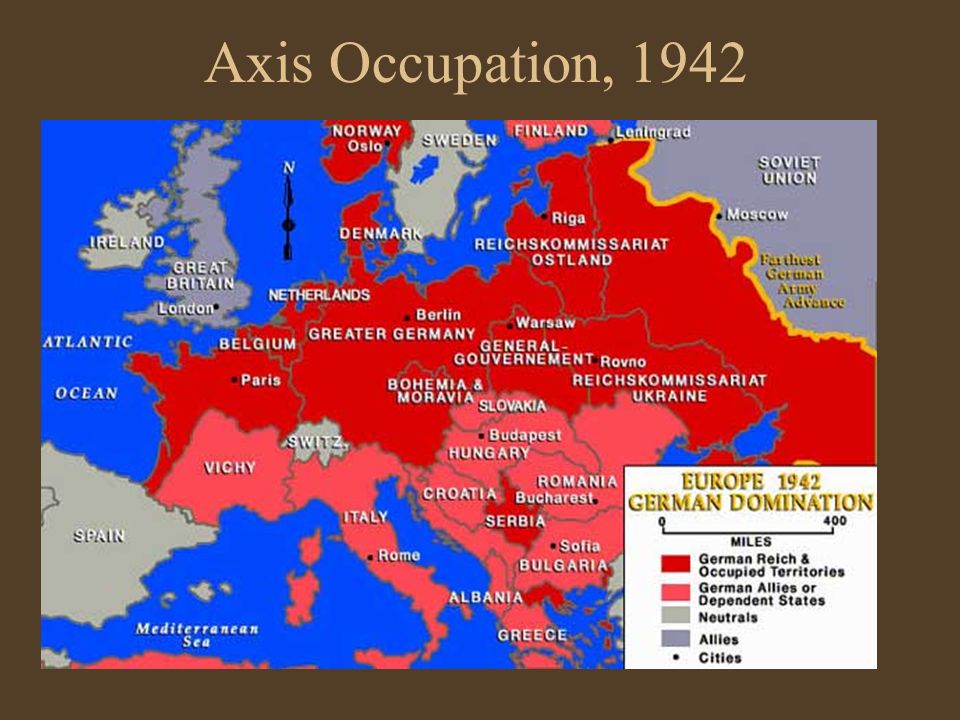
The origins of the Celts in western Europe
THE CELTS IN WESTERN EUROPE


Resultado de imagen de IRISH IMMIGRATION FROM IRELAND TO USA MAP 
IRISH IMMIGARTION 
TO THE UNITED STATES


All Saints Days Spain
Dia de Todos los Santos

   All Saints Day in Spain (Todos Los Santos) takes place on November 1st. It is a very important national public holiday when people from all over the country return to their town or village to lay flowers on the graves of deceased relatives. There are few religious days that mean quite so much to the ordinary people of Spain as this solemn festival. 
   However, on November 1st each year, the Feast of All of the Saints is held and this particular public holiday centres around remembering dead family members. Most people will visit the graves of relatives and decorate them with elaborate floral displays. Roads around cemeteries will be crammed with traffic, flower sellers line the streets and, in many places, additional public transport services are organised. Although this might sound over-commercialised and hectic it is actually, for most people, a day of high emotions. The Eucharist, or Mass, will often be performed in the cemetery several times during the day. 
   In common with many festivals throughout the country there are a number of special dishes which are associated with All Saints’ Day. At this time of the year you will also see in the shops huesos de santo – the saint’s bones – which have marzipan, eggs and sugar syrup and buñuelos de viento – puffs of wind – which are doughnuts liberally sprinkled with cinnamon and sugar.


   One of the All Saints’ traditions across Spain is the performing of the play Don Juan Tenorio, written by José Zorrilla. The final act of this portrayal of Don Juan’s choice between salvation or hell is set in a cemetery with the legendary lover lamenting over his betrayal of his dead lover.

jueves, 19 de septiembre de 2019

SONG. STAND BY ME


The story behind Stand By Me 

By Alan Connor

BBC NEWS


"Oh darling, darling..."

These sound like words from a straightforward love song, but everyone who heard it performed in St George's Chapel on Saturday knew that Stand By Me was more than that.

It was published in 1905 by Charles Albert Tindley, though it may go further back into the black American oral tradition. Tindley was a slave's son who volunteered as a janitor at an Episcopalian church in Philadelphia, and eventually became the church's pastor, addressing its mixed-race congregations.

In 1960, Ben E. King, was inspired to update the early 20th century gospel hymn by Charles Albert T psalm, and was first released and made famous by Ben E. King in 1961.


In the context of 1960s America, a black man singing the words "No, I won't be afraid" is "a classic case of political masking". For many, this ballad is also, in fact, a civil-rights anthem.

That's why Harry and Meghan's choice of song meant more than a love song and the performance by the Kingdom Choir takes Stand By Me back further still, re-infusing it with the defiance as well as the devotion of gospel.

domingo, 15 de septiembre de 2019

SCHOOL JOKES AND IDIOMS


Luke comes home from his first day of school, and his mother asks, “What did you learn today?”“Not enough,” Luke replies. “They said I have to go back tomorrow.”
Submitted by Luke C., Somers, N.Y.

Nate: Why was school easier for cave people?
Kate: Why?
Nate: Because there was no history to study!
Submitted by Nathaniel R., Glendale, Wis.

Chad: Why do magicians do so well in school?
Josh: I don’t know. Why?
Chad: They’re good at trick questions.
Submitted by Chad N., Firestone, Colo.

Jacob: Why was the teacher wearing sunglasses to school?
Leonard: Why?
Jacob: She had bright students!
Submitted by Jacob B., South Bend, Ind.